
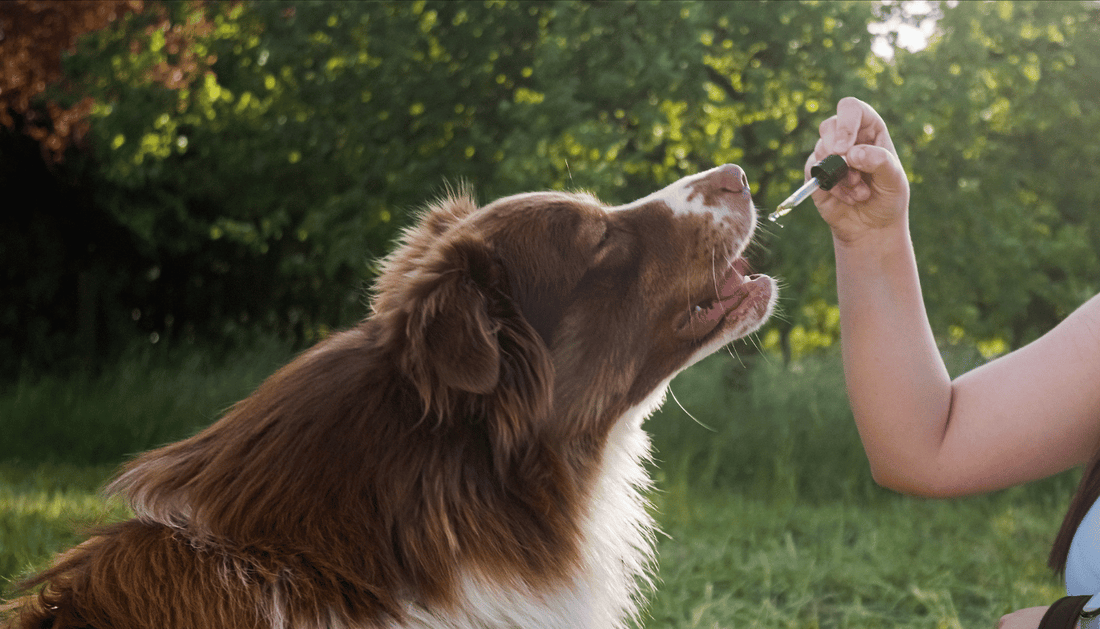
Does your dog tremble at the slightest noise, bark as soon as you walk out the door, or destroy the couch when you’re away? He might be suffering from anxiety. Anxiety in dogs can be a real ordeal—for him as much as for you. Mama explains everything: how to recognize the signs of stress in your dog, where they come from, and the best ways to help him.
What is anxiety in dogs?
Anxiety in animals, just as in humans, is triggered by the anticipation of a real or imagined danger. It can be temporary or become chronic. There are several reasons that can trigger anxiety in dogs:
- Loud noises (thunderstorms, fireworks, construction);
- Encounters with strangers;
- A significant event (a trip, a breakup, abandonment);
- A change in circumstances (moving, new schedule);
- Stressful situations (visits to the vet, past abuse);
- A new addition to the household (a baby, another pet);
- Or an exaggerated fear of being separated from its owner.
When the body goes into a state of alert, it releases stress-related hormones, such as adrenaline and cortisol. The heart rate increases, and anxiety then manifests itself differently from one dog to another.
Warning Signs to Watch For
Sometimes, these issues make living together difficult. Your partner’s anxiety can manifest in various ways:
- Defensive behaviors: immobility, avoidance, flight, and sometimes aggression;
- Constant barking or howling, especially when he's alone;
- Panting, excessive drooling, trembling, crouched posture, ears laid back, yawning, intense licking;
- Constant alertness: startling easily, inability to relax, restless sleep;
- Endless back-and-forth around the house;
- Disturbed appetite;
- Peeing or pooping in the house even though he's house-trained;
- Destruction of objects, especially near doors and windows;
- Vomiting or diarrhea.
Here’s a helpful tip: if these behaviors only occur when you’re away, it’s often referredto as separation anxiety. It’s one of the most common disorders, especially in dogs adopted from shelters or after a major life change.
Tips for Calming Your Dog
Good news: there are lots of simple things you can do to help an anxious dog calm down. Mama shares the most effective ones with you.
- Never punish him. An anxious dog doesn't misbehave out of spite—he's expressing his distress. Scolding him only increases his fear.
- Maintain a consistent routine. Regular times for going out, playing, and sleeping help him feel secure.
- Make sure he gets plenty of exercise. A good walk, hide-and-seek games, or toys to keep him occupied before you leave will help him settle down.
- Set up a quiet spot just for him, with his bed and a blanket that smells like you.
- Don't make a big deal out of departures and returns. No grand goodbyes or over-the-top reunions: stay calm and wait until he relaxes before saying hello to him.
- Get him used to being alone little by little, starting with very short periods of time away and gradually extending them over the course of several weeks.
- Focus on positive reinforcement: reward calm behavior with a pat or a game, rather than reacting to agitation.
When your dog is scared by loud noises, such as thunderstorms or fireworks, close the shutters, play some soft background music, and let him take refuge where he feels safe—without forcing him to come out.
When should you see a veterinarian?
Some signs of anxiety may be masking an underlying health issue—such as pain, a urinary tract infection, or a hormonal disorder. That’s why the first step is always a visit to the vet, especially if your dog’s behavior changes suddenly.
If your dog’s anxiety is severe or long-lasting, your veterinarian may refer you to a veterinary behaviorist or a dog trainer trained in fear management. Together, they will develop a program tailored to your dog’s needs. In severe cases, the veterinarian—and the veterinarian alone—decides whether treatment is necessary.
You may have heard about CBD for pets. It’s a topic that veterinary researchers are studying, but the results are still limited, and there aren’t yet any conclusions that would allow us to consider it a solution. We take a closer look in the article “CBD for Dogs: What Do Vets Think?” And if you have hemp products at home, be sure to keep them out of your pet’s reach: Mama explains why in the article “CBD and Pets: Precautions You Need to Know.”
![Trim CBD 🧉 [Greenhouse] a colorful background](http://mamakana.com/cdn/shop/files/TrimCBD_1_62bc19c6-8b2f-416e-aa10-70da357ae351.jpg?v=1720017738&width=533)



![Sour Diesel CBD ⛽ [Greenhouse] a colorful background](http://mamakana.com/cdn/shop/files/SourDiesel-fond.png?v=1750939336&width=533)


